SFI and FIA Ratings
SFI-certified racing underwear is tested under the SFI 3.3 specification for driver accessories, using thermal protective performance and flame-resistance testing similar to that used for racing suits.
SFI underwear is available in different protection levels, including SFI 3.3/1 and SFI 3.3/5. The higher rating indicates a greater level of tested thermal protection — see our SFI rating guide for how these levels compare across suits and accessories.
FIA-approved underwear is certified under the FIA 8856-2018 standard (rel=”nofollow”). Depending on the racing organization, FIA- and SFI-approved equipment may sometimes be accepted interchangeably — but this is determined by the individual sanctioning body. Our FIA vs. SFI guide breaks down how the two standards differ and where they overlap.
Always check your current series or class rulebook. Many rulebooks specify the required suit rating without clearly addressing underwear, while others require or recommend a particular certification. If you are unsure, contact EPIC with your series, class and suit rating and we will help point you in the right direction.
Added Protection Under Any Suit
Fire-resistant underwear is not only for drivers wearing single-layer suits. It provides an additional layer of protection underneath any racing suit, regardless of the suit’s construction or rating.
Even when it is not required by the rulebook, many drivers choose to wear rated underwear because additional protection is never a bad investment when fire is a possibility.
Proper Fit Matters
Racing underwear should fit close to the body without restricting movement. If it is too loose, it can bunch underneath the suit and create uncomfortable pressure points. If it is too tight, it can restrict movement and compress the insulating air space between layers.
Whenever possible, try your underwear on underneath your actual racing suit before deciding on the final size.
Available Options
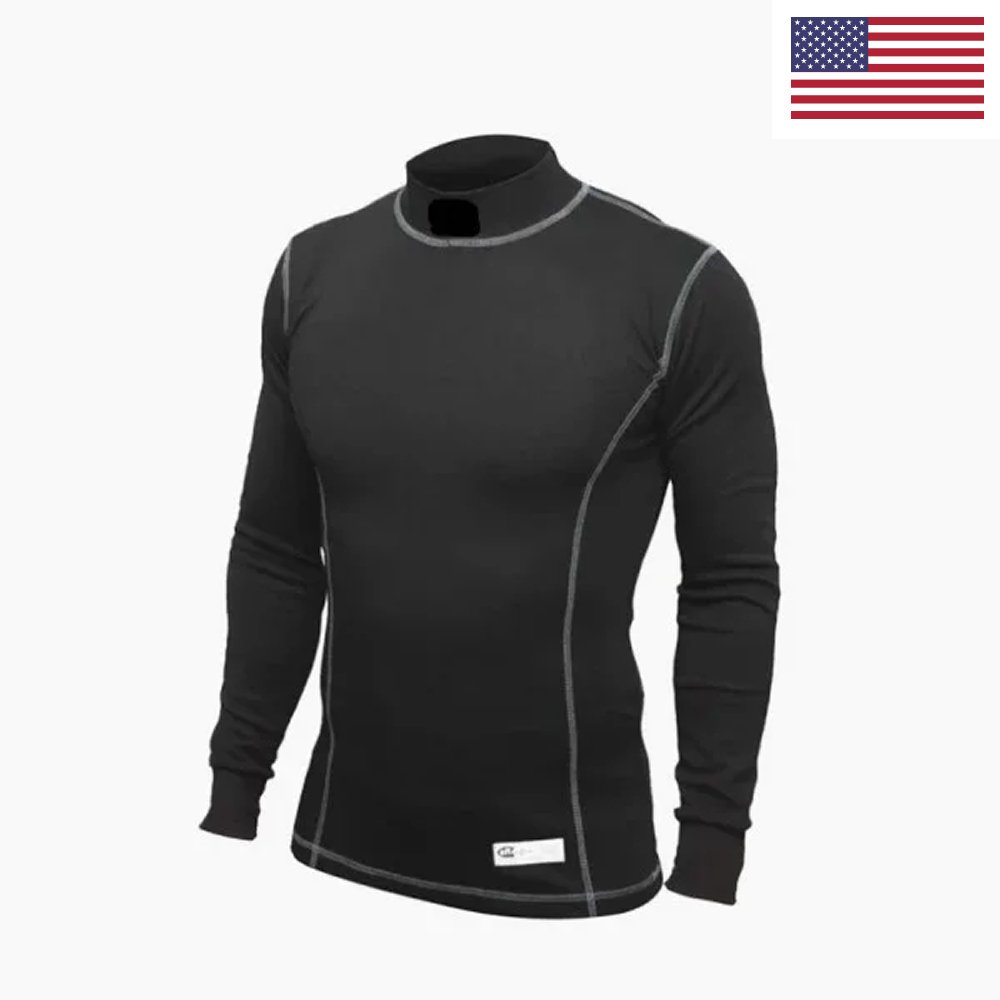
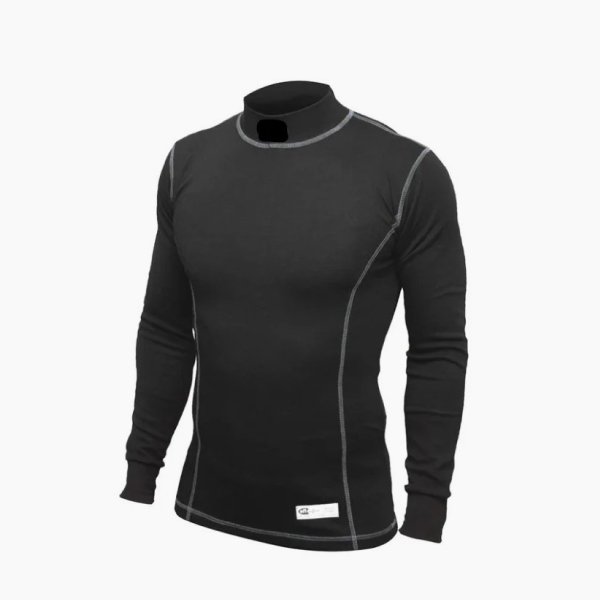
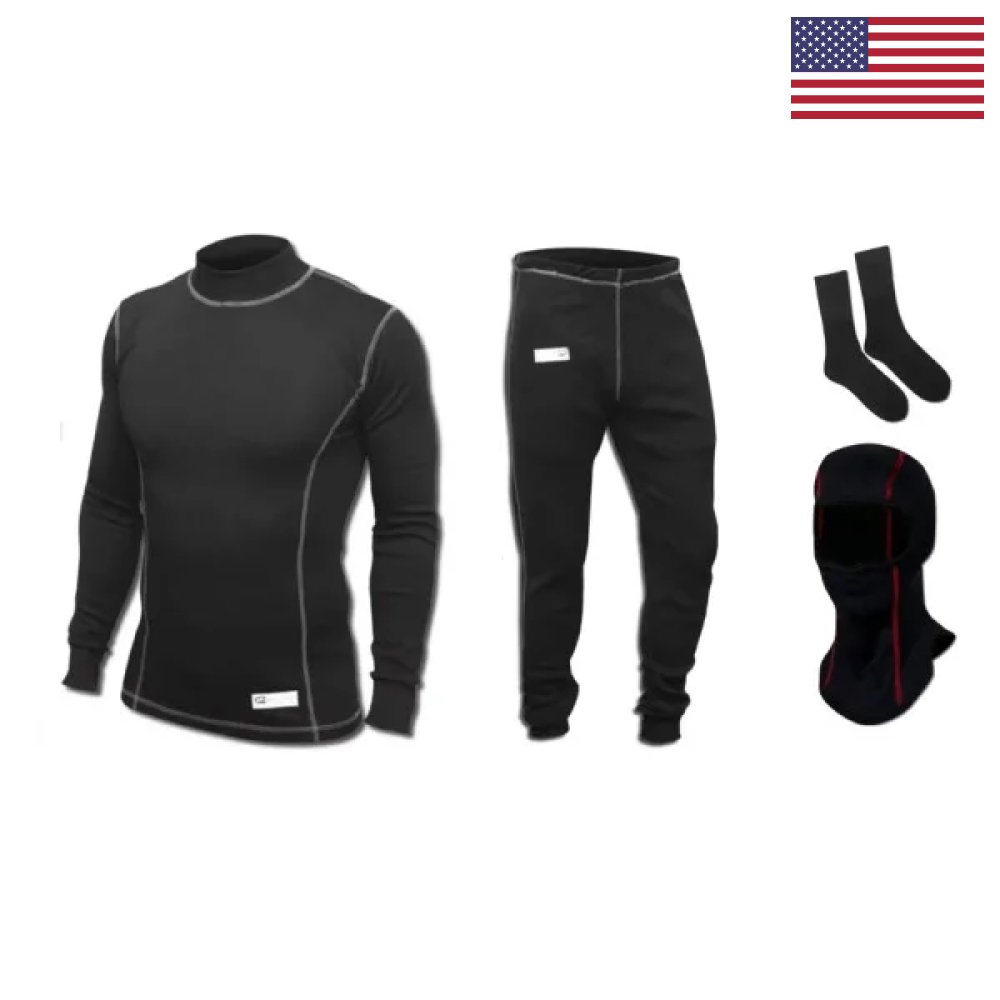
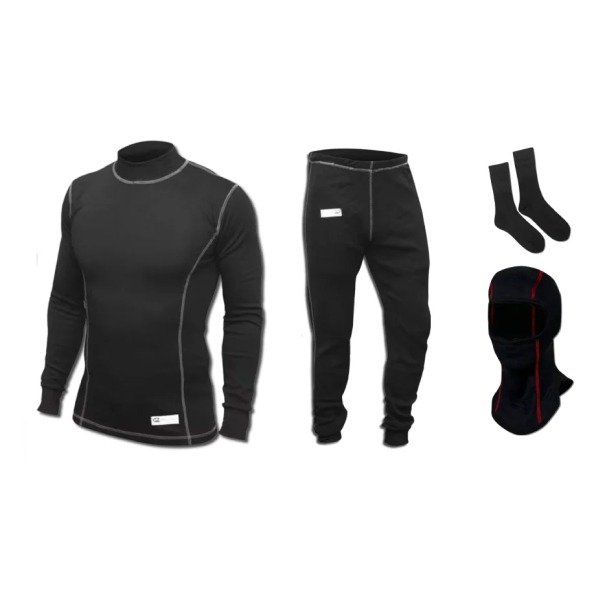
- Long-sleeve fire-resistant tops
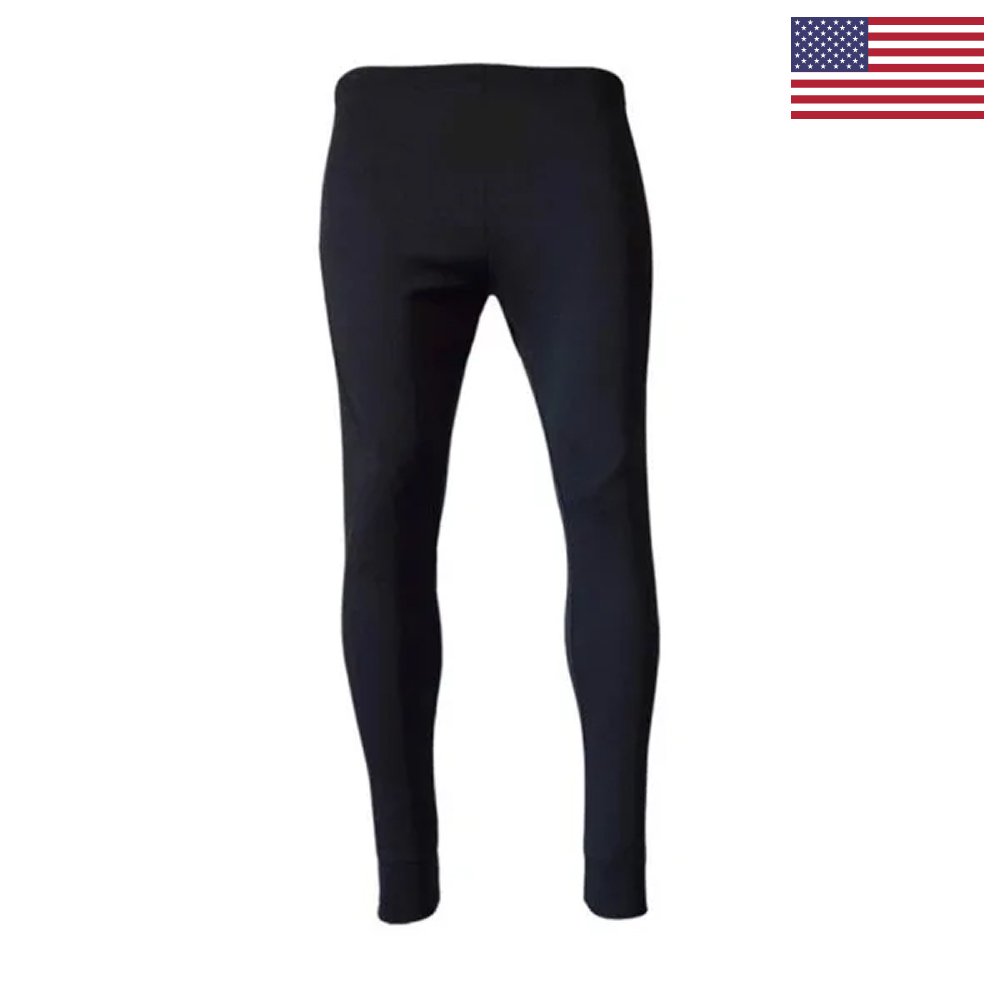
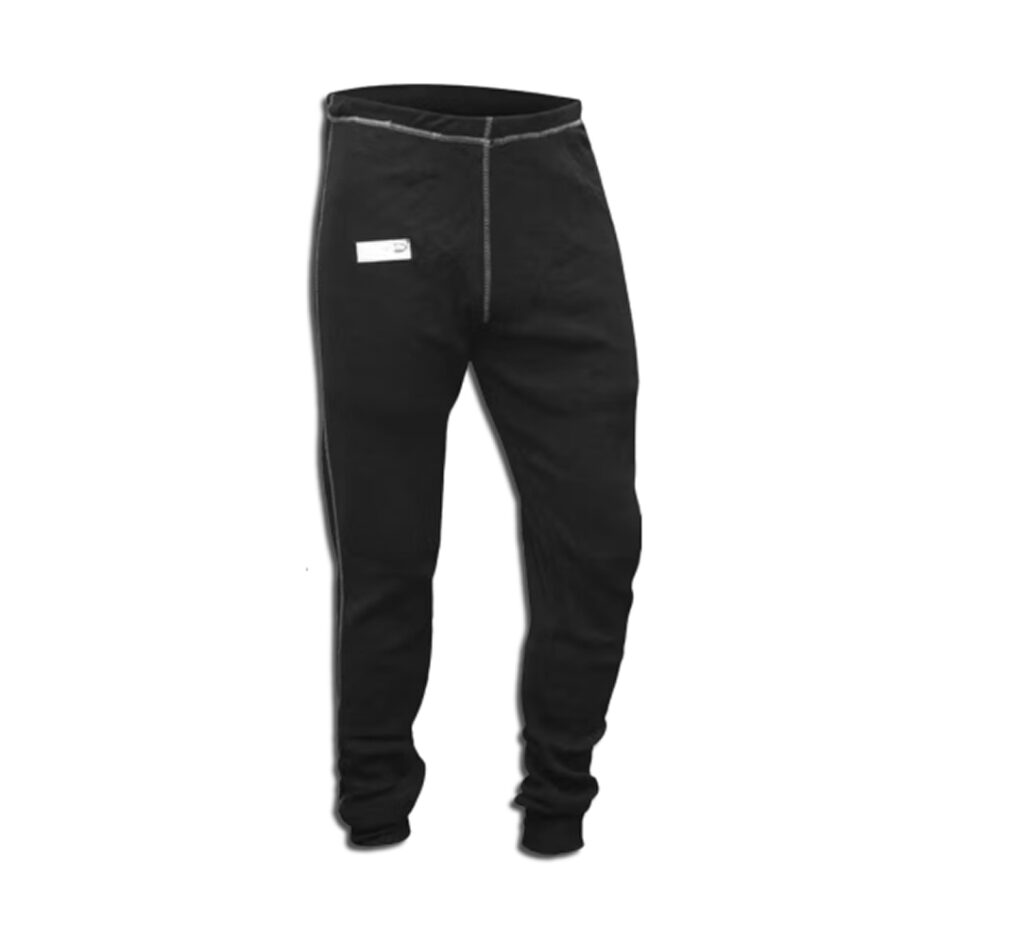
- Full-length fire-resistant bottoms
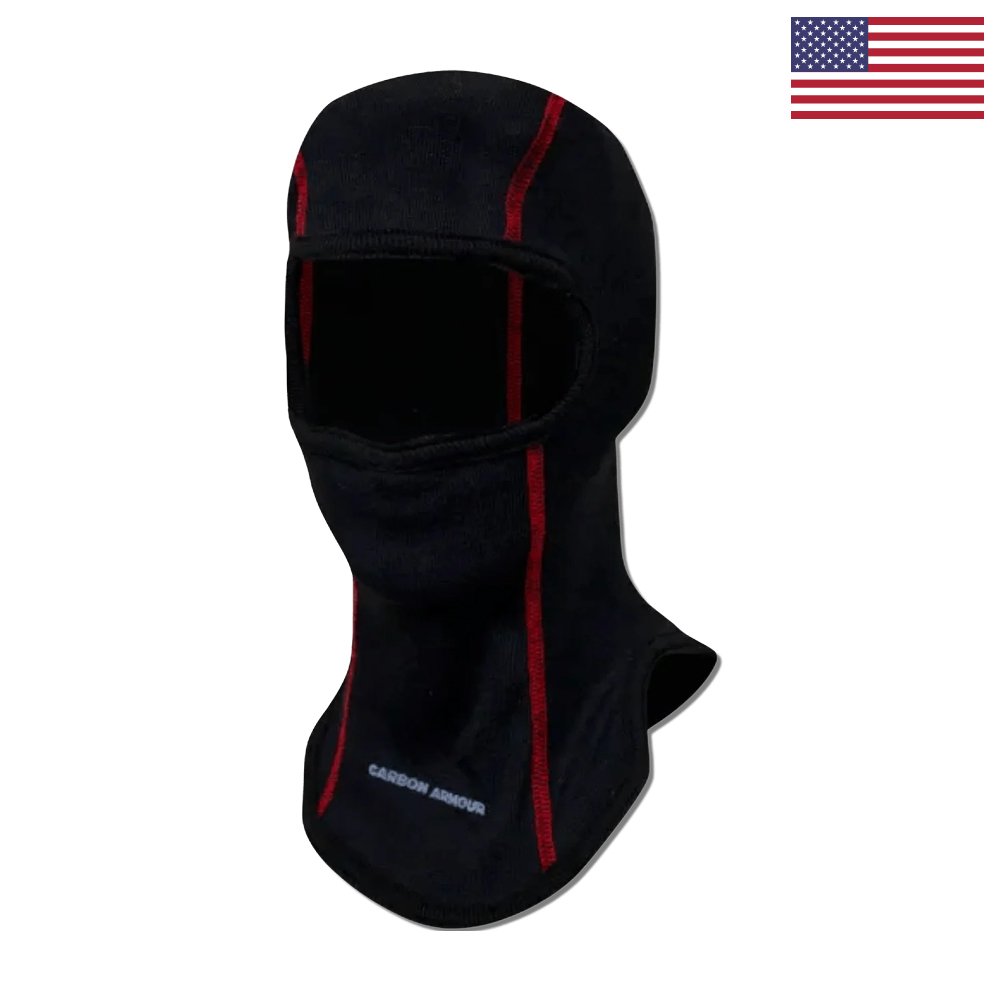
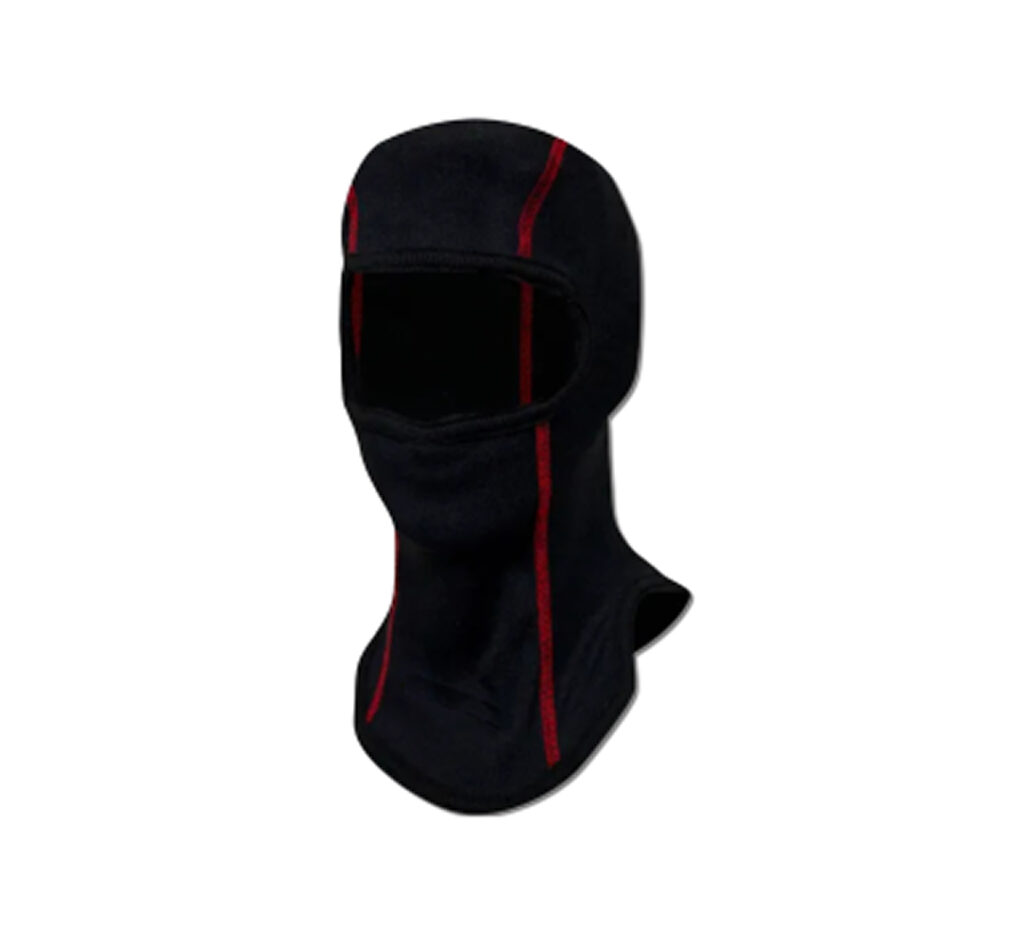
- Fire-resistant balaclavas
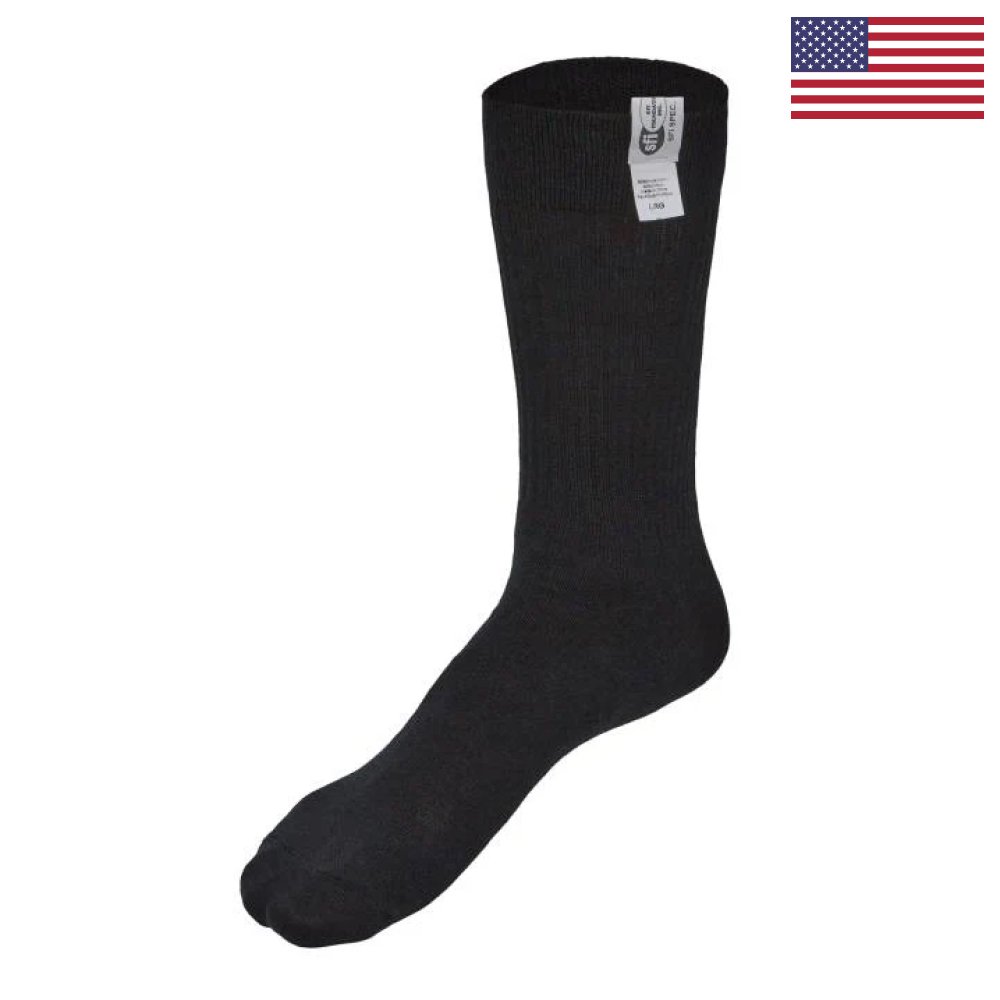
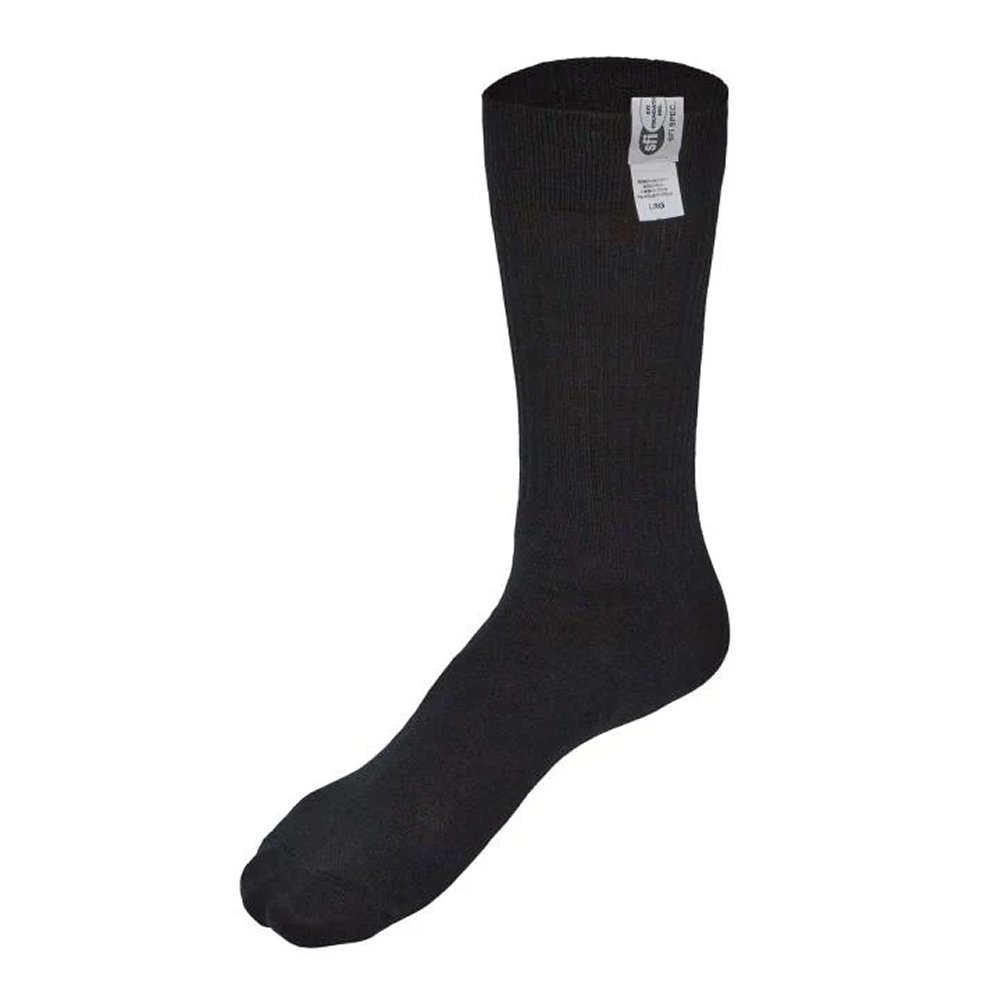
- Fire-resistant socks
- SFI 3.3/1 and SFI 3.3/5-rated options
- FIA-approved options
- Sizing designed to fit comfortably underneath EPIC racing suits without unnecessary bulk
Care Instructions
Machine wash in cold water using a mild detergent, preferably MOLECULE Nomex Wash (rel=”nofollow”). Do not use bleach, fabric softener or dryer sheets, as they can leave residue on the material and affect its protective performance.
Air drying is recommended. If necessary, tumble dry on low heat.
Inspect your underwear, balaclava and socks regularly for holes, thinning material, damaged seams or contamination from fuel, oil and other chemicals. Fire-resistant clothing is safety equipment, and damaged or heavily contaminated garments should be replaced.
Who Should Wear It?
Fire-resistant racing underwear is a smart choice for:
- Drivers whose class or sanctioning body requires rated underwear
- Drivers who want additional protection underneath any SFI- or FIA-rated suit
- Drivers whose rulebook does not specifically address underwear but who want to improve their overall protection
- Anyone racing in a hot or enclosed cockpit who wants a breathable, moisture-managing layer between their skin and racing suit — including karting drivers in fully-enclosed classes
The right protective layers can provide valuable extra time when it matters most. If you are unsure which SFI or FIA option is right for your racing program, contact EPIC and we will help you choose.
Frequently Asked Questions
Is fire-resistant underwear required, or just recommended?
It depends on your sanctioning body and class. Some rulebooks require rated underwear at certain suit levels; others recommend it without making it mandatory. Always check your current series’ rulebook, or contact EPIC with your class and suit rating and we’ll help confirm what applies to you.
What’s the difference between SFI 3.3/1 and SFI 3.3/5?
Both are SFI-certified protection levels for underwear, tested for thermal protective performance the same way suit ratings are. The higher number (3.3/5) indicates a greater level of tested thermal protection than 3.3/1 — see our SFI rating guide for more on how these levels work.
Can I use FIA-approved underwear if my suit is SFI-rated (or vice versa)?
Sometimes — some sanctioning bodies accept FIA and SFI equipment interchangeably, but this isn’t universal. It’s determined by the individual sanctioning body, so check your rulebook first. Our FIA vs. SFI guide explains how the two standards compare.
Do I need fire-resistant underwear if I already have a multi-layer suit?
It’s not only for single-layer suits — fire-resistant underwear adds a layer of protection underneath any racing suit, regardless of construction or rating. Many drivers wear it even when it isn’t required, simply because added protection is worthwhile when fire is a possibility.
How should I size fire-resistant underwear?
It should fit close to the body without restricting movement — too loose and it bunches under the suit, too tight and it compresses the insulating air space between layers. Try it on underneath your actual racing suit before finalizing your size, not on its own.
How do I wash fire-resistant underwear without ruining the protective coating?
Machine wash cold with a mild detergent — MOLECULE Nomex Wash is a common choice — and avoid bleach, fabric softener, or dryer sheets, which leave residue that degrades the fire-resistant finish. Air dry when possible, or tumble dry on low. Inspect regularly for holes, thinning fabric, or fuel/oil contamination, and replace if damaged.